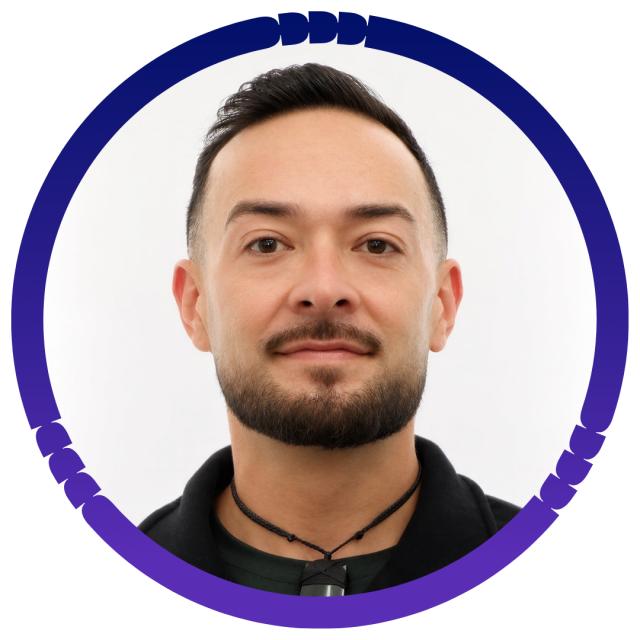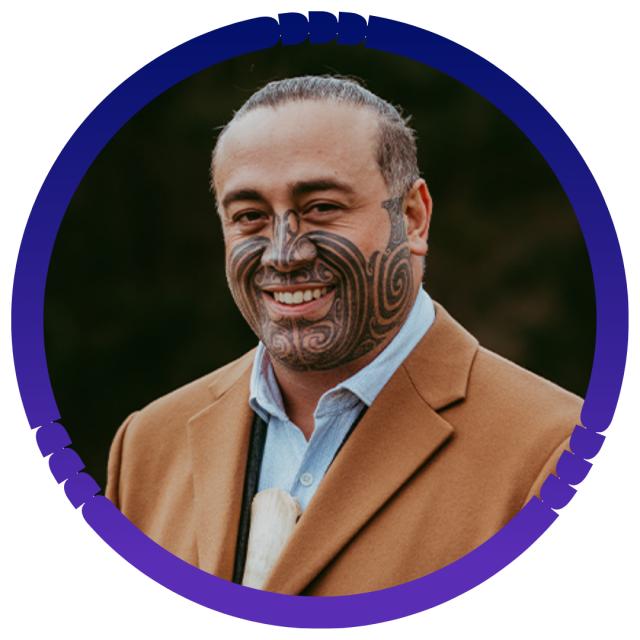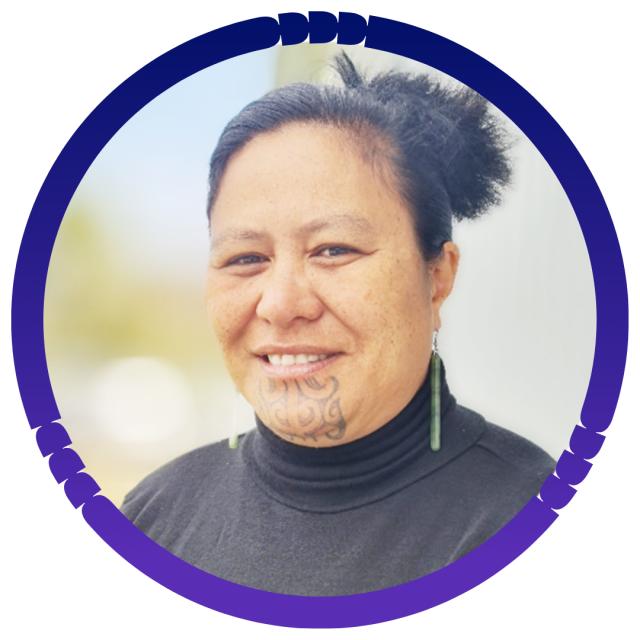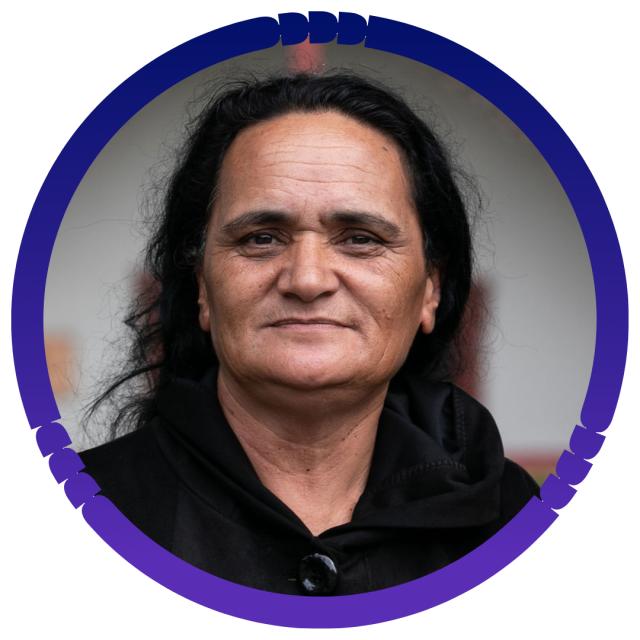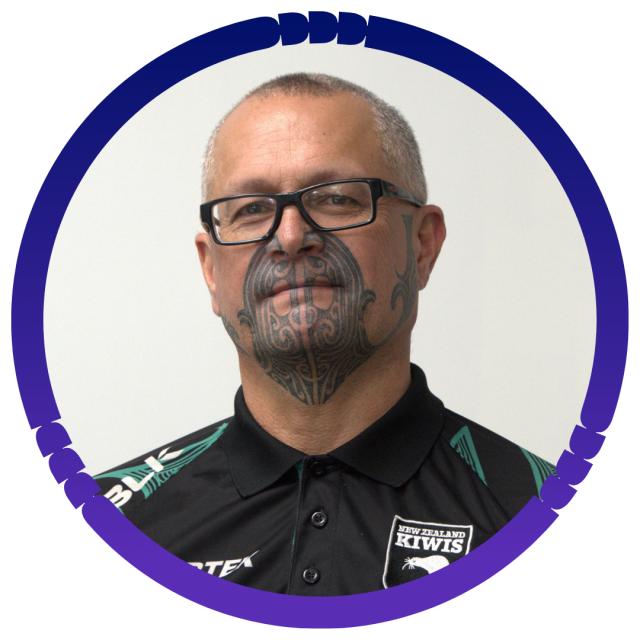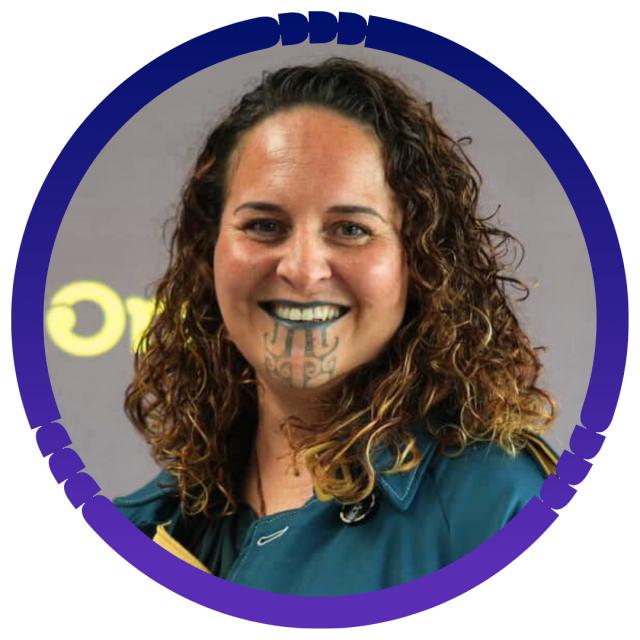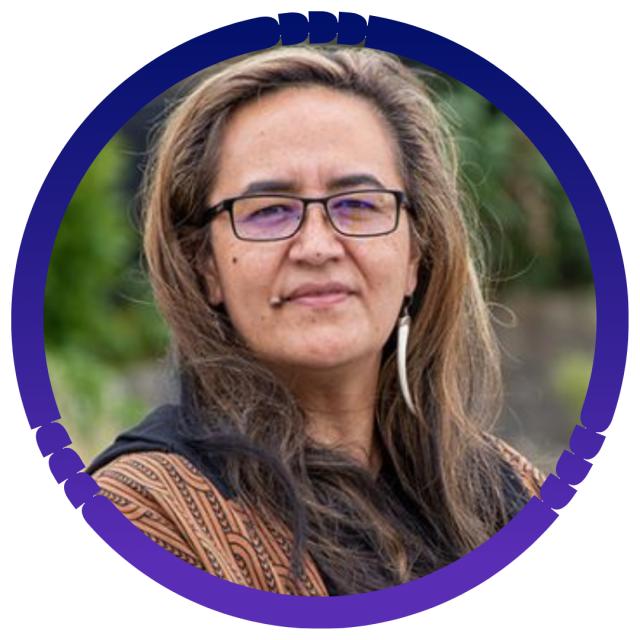


Three new kaimahi join Te Mātāwai, each bringing their own lived experience of te reo Māori and a shared belief in what it means to see our people thrive.
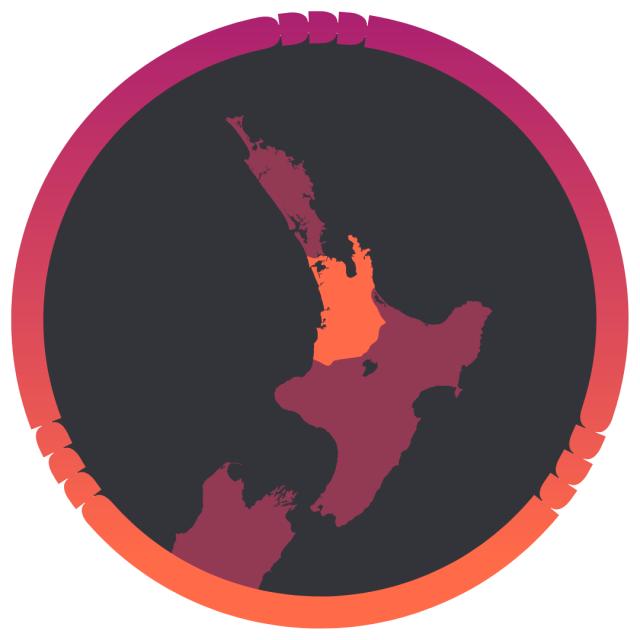
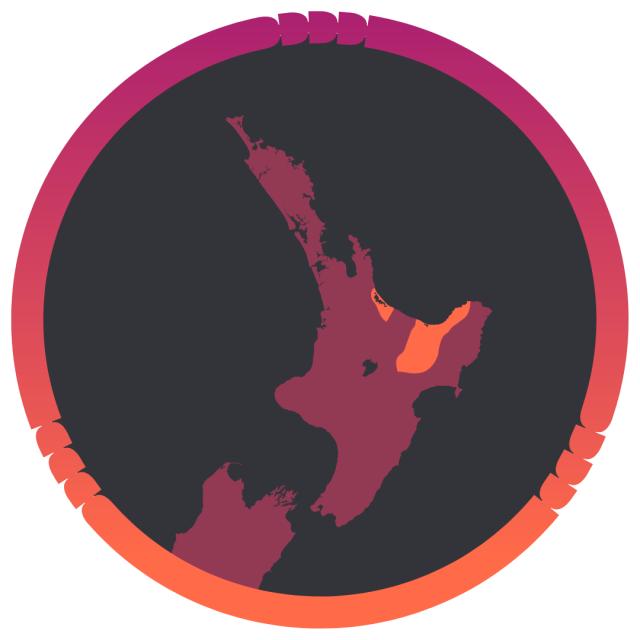
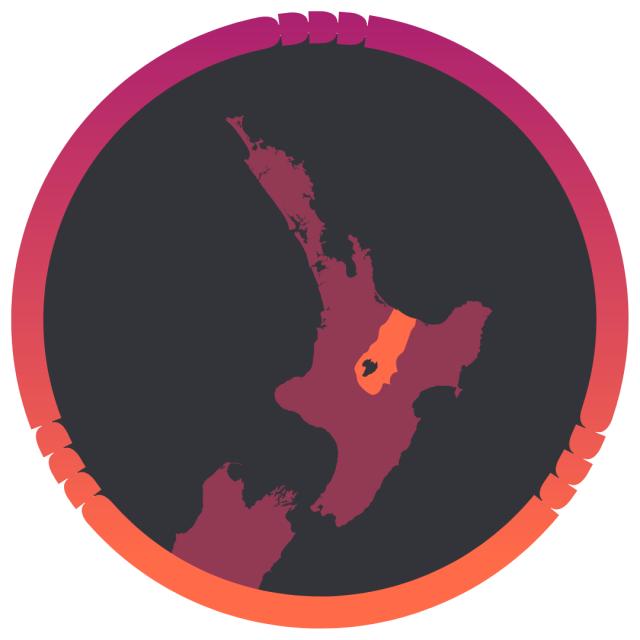
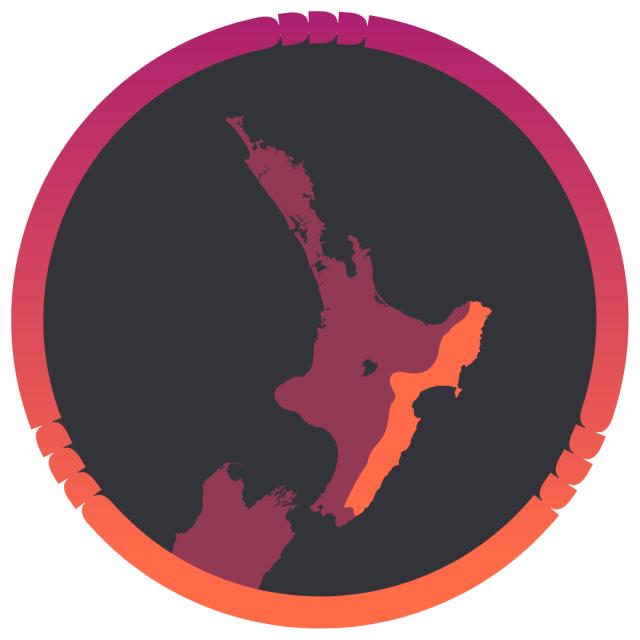
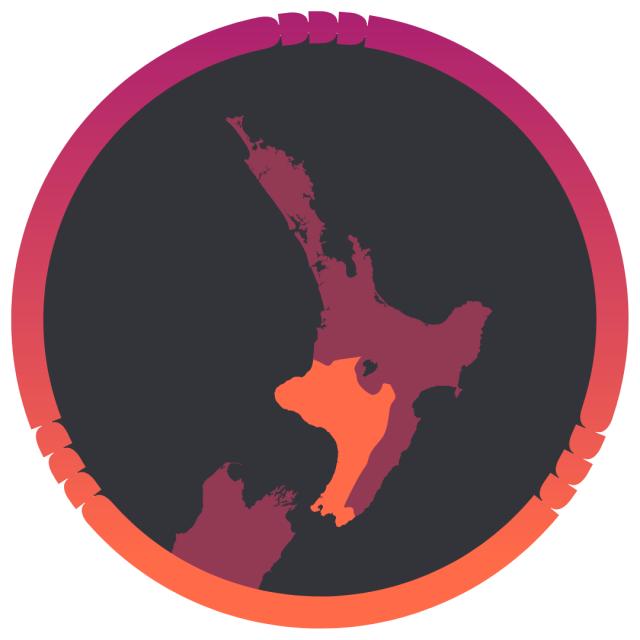
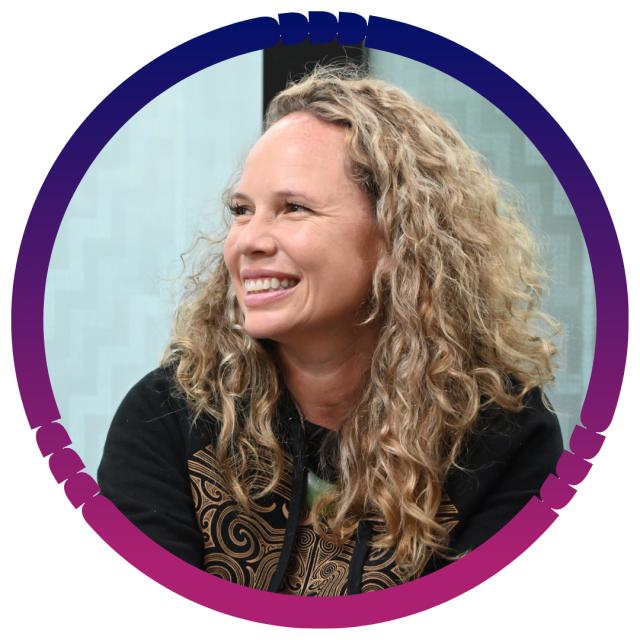
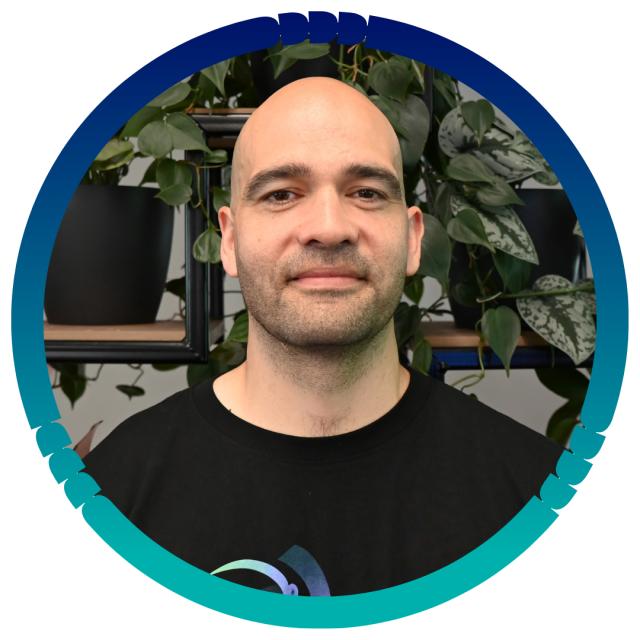
Mīharo Jones (Ngāti Kahungunu) and Muritere Apiata (Ngāpuhi, Te Rarawa) step into roles as Kaihuawaere Haumitanga (Investment Facilitators), working with Kaitono across Mātaatua and Te Tai Tokerau to support kaupapa that grow the use of te reo in everyday spaces. Alongside them, Kaama Daly (Ngāti Whākaue, Ngāti Māhanga) joins Communications Team Te Mataihi, focused on amplifying the voices and aspirations of our people.
For Muritere, her journey with te reo is inseparable from who she is. Raised within te reo Māori across kōhanga reo, kura kaupapa, wharekura and whare wānanga, it is something she carries with her in everything she does.
“Ko te reo me ngā tikanga he mea raranga ki taku korowai, ā, ka kawea nuitia e au i roto i aku hīkoi katoa i runga i te mata o tēnei whenua,” she says.
Now working as Kaihuawaere Haumitanga for Te Tai Tokerau, that connection continues to guide her mahi.
“Ko tāku mahi he tautoko i ngā kaupapa hakarauora reo puta noa i tō tātou rohe, kia kaha ake te rere o te reo Māori. He mahi hakahirahira tēnei ki au, ā, e hakapono mārika ana ko te reo Māori te manawa ora o te iwi Māori.”
For Mīharo, the journey has taken a different shape. Growing up in Te Matau-a-Māui (Hawke’s Bay), his early years in kōhanga reo and kura kaupapa were followed by time in mainstream schooling, before returning to te reo through wānanga study. He now continues that journey as a postgraduate student of te reo Māori.
“E ora rawa atu ai tō tātau reo, me kōrero i te kāinga. Koirā ki a au te tino ara hai whakarauora i te reo,” he says, “ko tōku manako nui kia horapa, kia māori te reo i ngā tiriti, i ngā tari, i ngā tōpito katoa huri noa i te motu.”
Across their kōrero, a shared whakaaro emerges, that the future of te reo Māori lives not in isolated spaces, but in the flow of everyday life.
“Ki au nei nā, kei ngā kāinga tonu te manawa e ora ai te reo. Kia noho Māori te reo Māori i ngā toa, i ngā wāhi mahi, i ngā papa tākaro, i ngā marae me ngā kāinga,” Muritere says.
For Kaama, her haerenga reo Māori is shaped not by upbringing, but by choice and commitment.
“Kāore au i tipu ake i roto i te reo Māori, engari, what better time than now. Mā ngā akoranga pō, mā te kimi wā, mā te ū ki te kaupapa e puāwai ai tōku reo. As Ahorangi Hingangaroa Smith reminds us, ‘show me your calloused hands’. Ki ahau nei, he tohu tērā o te whakapau kaha. Ki te whakapono tātou ki te whakarauora reo, me mahi tātou.”
Across different journeys, the kaupapa remains the same — to support whānau, hapori and iwi to lead their own reo journeys, and to see te reo Māori lived, heard and spoken as an everyday language.
Hei whakakapi, anei ā rātou kupu akiaki: “Ahakoa iti, ahakoa nui, kōrerohia tō tātou reo. Kia tīkina ngā kupu a Pānia Papa, ‘Te iti kei a koe, whakapuakina. Te rahi kei a koe, whāngaihia’”
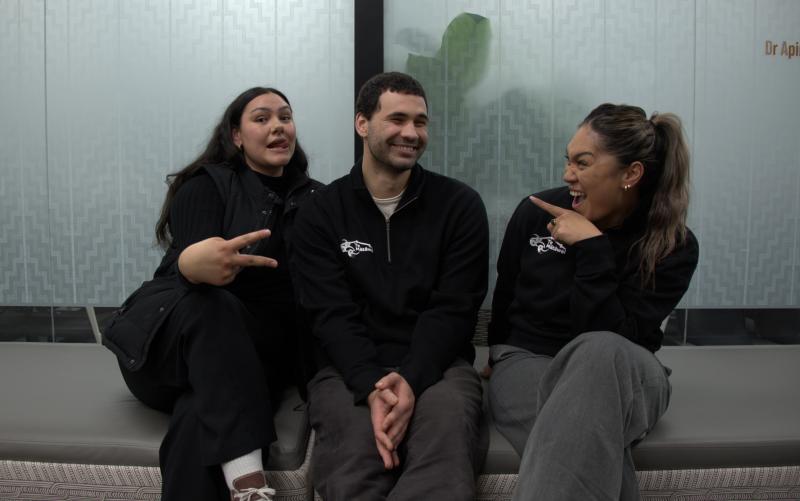
Kaama Daly, Mīharo Jones and Muritere Apiata join Te Mātāwai