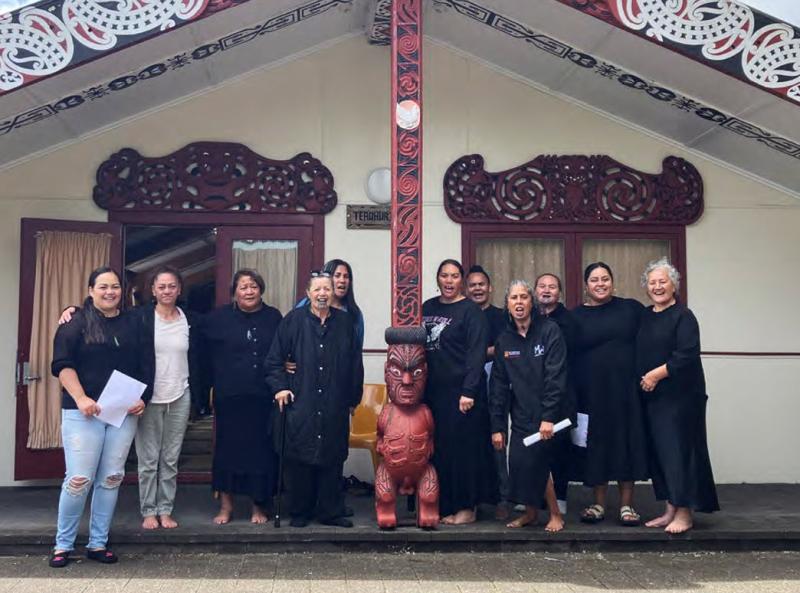
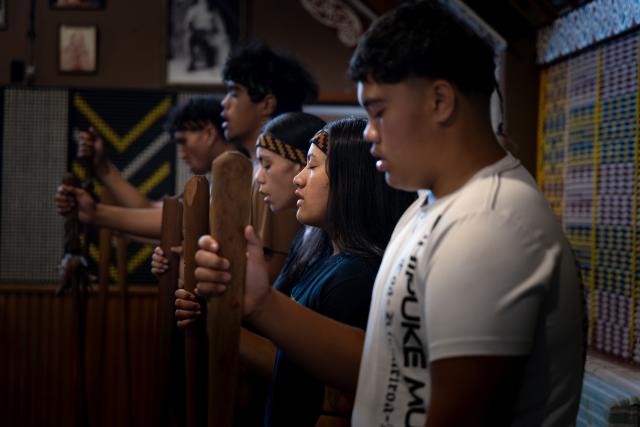
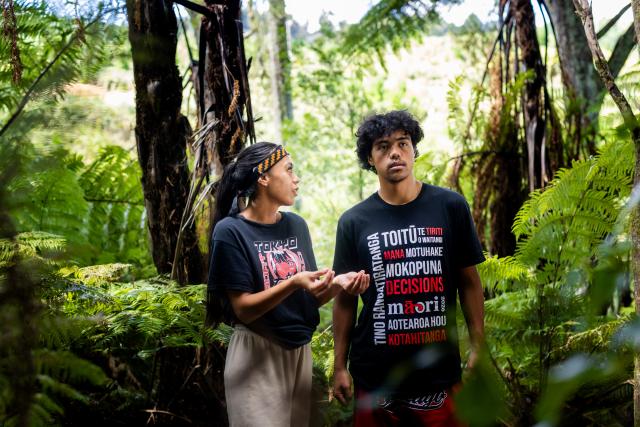
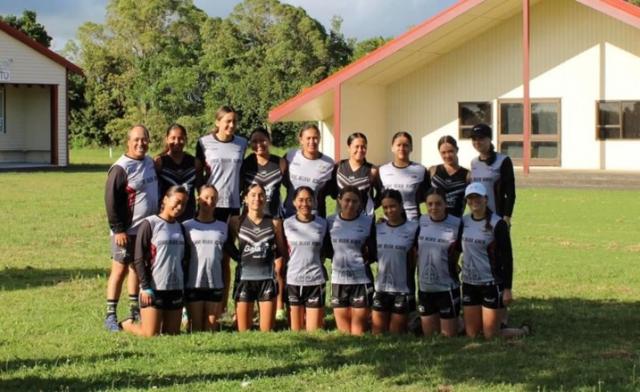
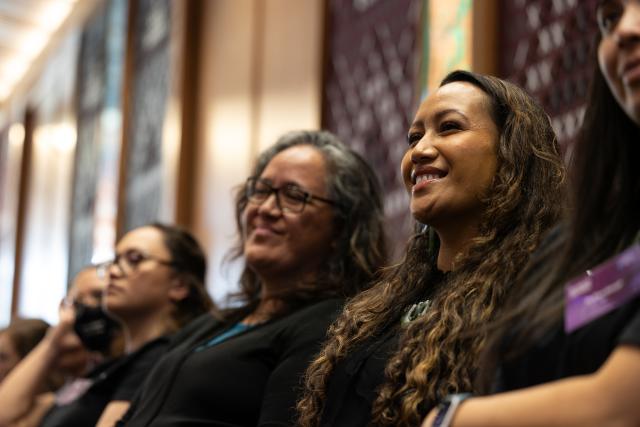
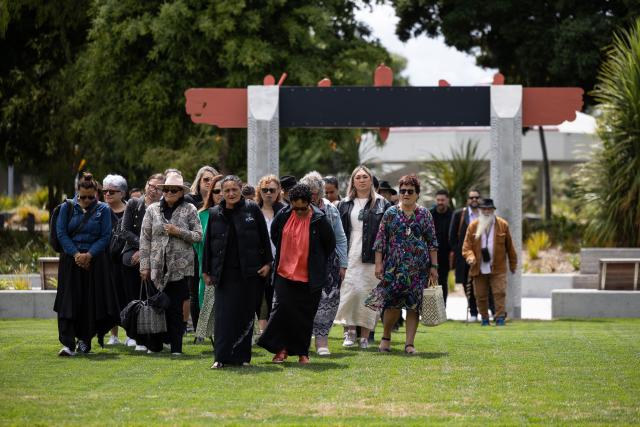
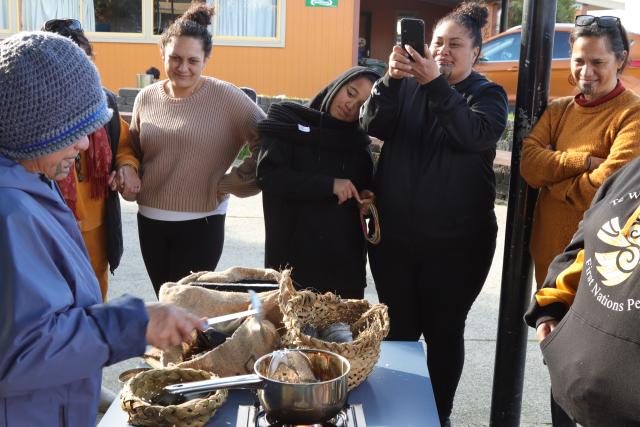
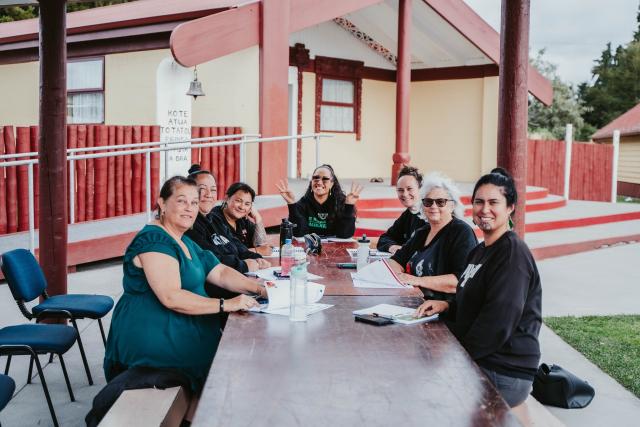
Kohinga Maarama Marae and Maketuu Marae hosted a series of 11 waananga, providing a unique opportunity for waahine to practice and hear their karanga voice for the first time. Participants experienced growth as they found the strength to deliver their inaugural karanga on their home marae, while those already familiar with the tradition expanded their vocabulary and understanding of the art.
Attendance at these waananga varied between five and 12 participants, creating a personal environment where women received support and guidance. They were provided with specific vocabulary related to karanga, which facilitated learning. The workshops included contributions from experts and covered a range of topics, such as the origins of the karanga language, its wairua significance, the atua associated with calling, and the technical aspects of delivering the karanga effectively.
The waananga allowed participants to reconnect with their marae and reinforced the power, awe and sacredness of the karanga. Many women expressed that they felt stronger and more confident in their ability to perform calls at their marae. The initiative succeeded in enriching the vocabulary of those already knowledgeable about karanga and inspired a new generation to honour this tradition.
Te Reo o te Maareikura Karanga project played a crucial role in preserving te reo and te ao Maaori, particularly focusing on karanga. The programme fostered an eagerness to learn about all facets of this cultural practice, providing a supportive environment where wāhine could explore and express themselves freely, make mistakes without criticism. This safe space encouraged investigation into te reo, maatauranga, and atua Maaori, significantly enhancing engagement and enjoyment.
Looking ahead, a key suggestion for future success is to establish the schedule for upcoming karanga waananga well in advance.
Emphasising the adage “He kai kei aku ringa,” the initiative aims to empower waahine and inspire them to continue the tradition of karanga for generations to come.