Seeking investment support for your reo revitalisation project? Ensure your project aligns to your Kāhui Investment Plan.

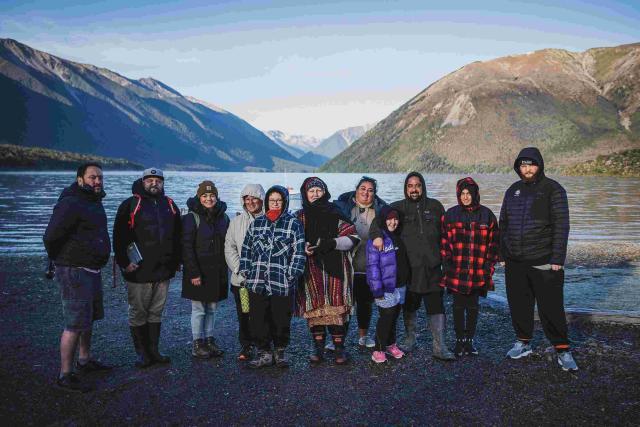
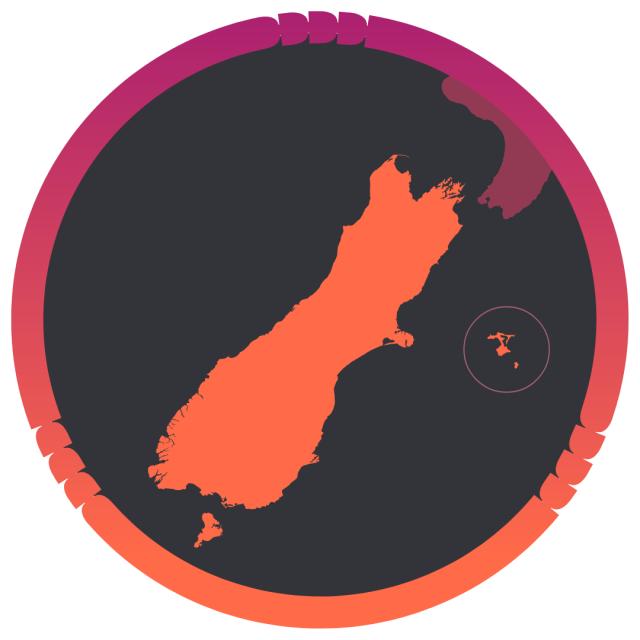
    With the huge distances, vast geography and the dispersed nature of Te Waipounamu and Rēkohu Māori communities, this rohe is so unique.

    Across this rohe, there is a shared emphasis on building confidence, nurturing new speakers, and celebrating incremental successes.

    Te Tai Tonga Investment Priorities:

    • Language communities
    • Immersion environments
    • Long-term planning
    • Language champions.

    Te Waipounamu Kāhui ā-Iwi

    Te Waipounamu Investment plan is for uri of all the iwi listed below:
    Te Āti Awa (South Island) Ngāti Rārua
    Ngāti Kōata Ngāi Tahu/Kāi Tahu
    Ngāti Kuia Ngāti Tama (South Island)
    Moriori Ngāti Toa Rangatira (South Island)
    Ngāti Mutunga (Chatham Islands) Ngāti Apa ki Te Rā Tō
    Rangitāne (South Island)  

    Ngā Pae Motuhake

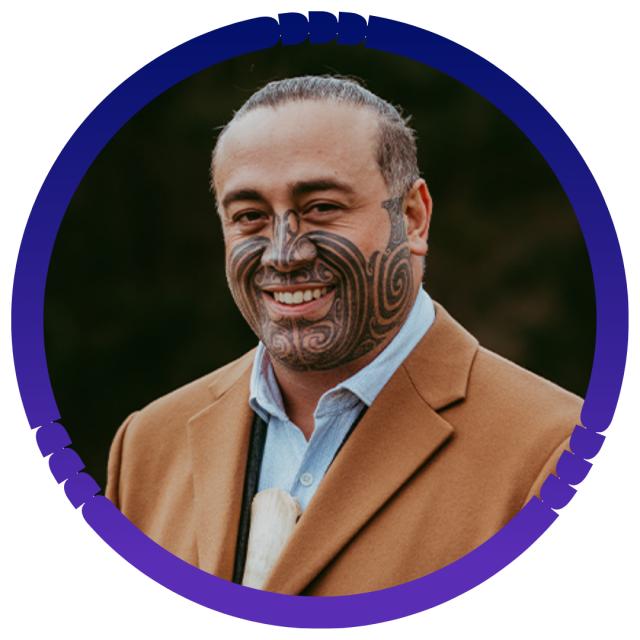
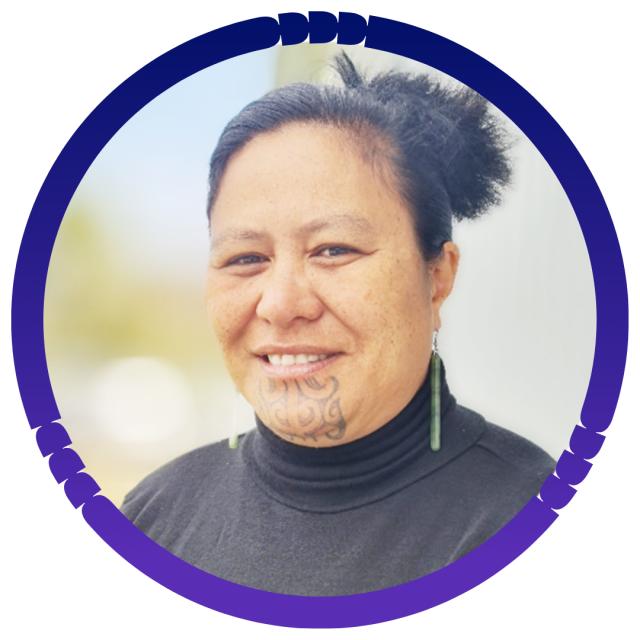
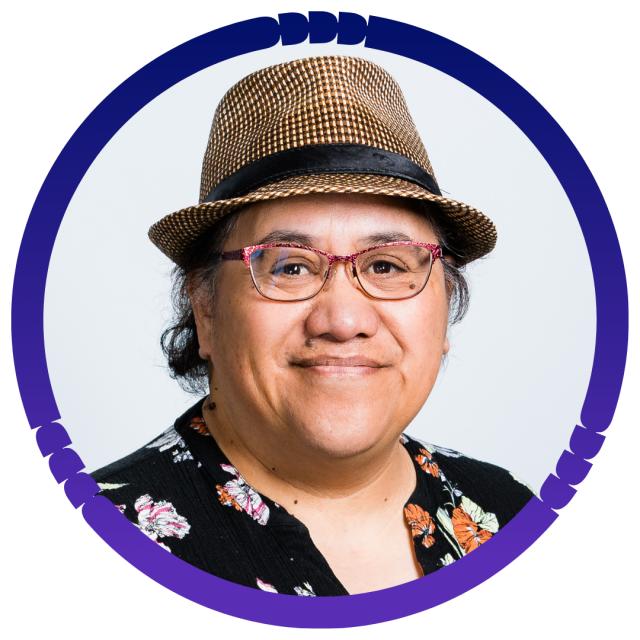
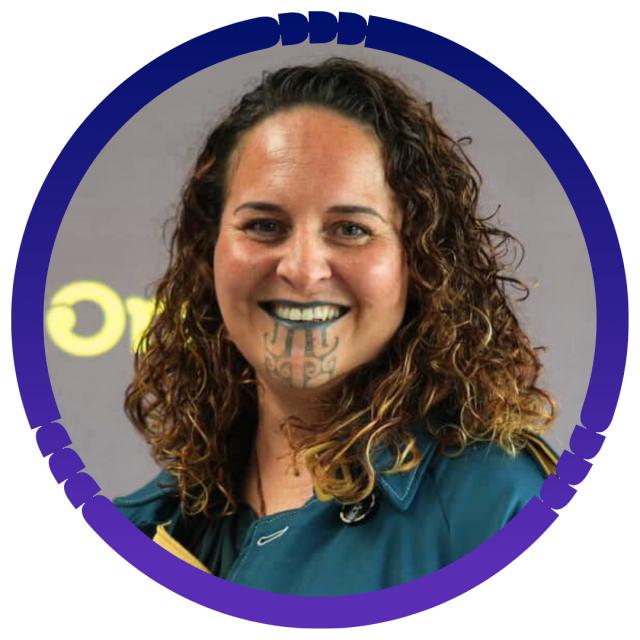
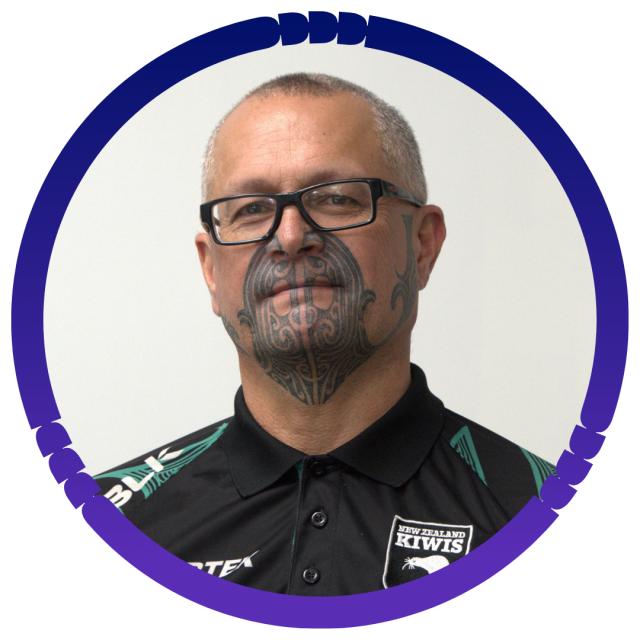
    The eight Pae Motuhake connect the strategies and activities of Te Mātāwai with the needs of kāinga, hapori and iwi in their Kāhui. Here are the Pae Motuhake representatives for your Kāhui:

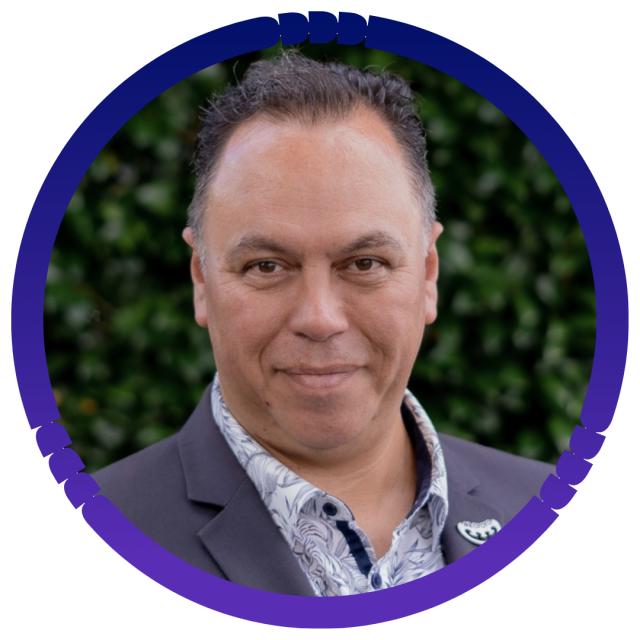
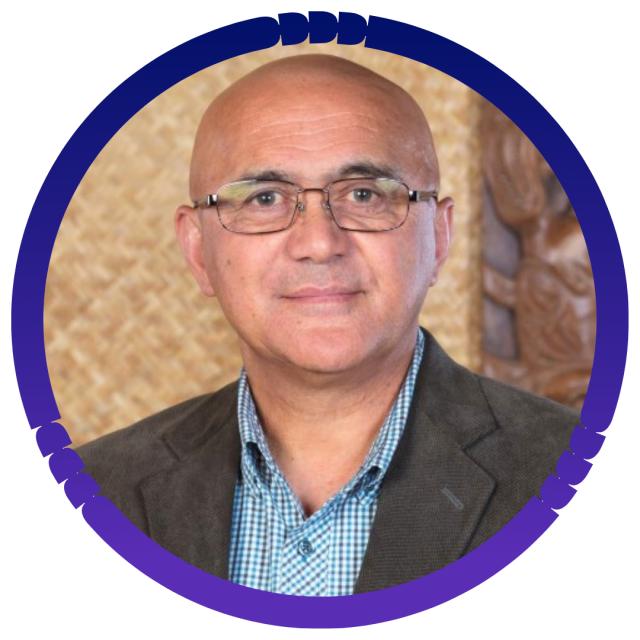
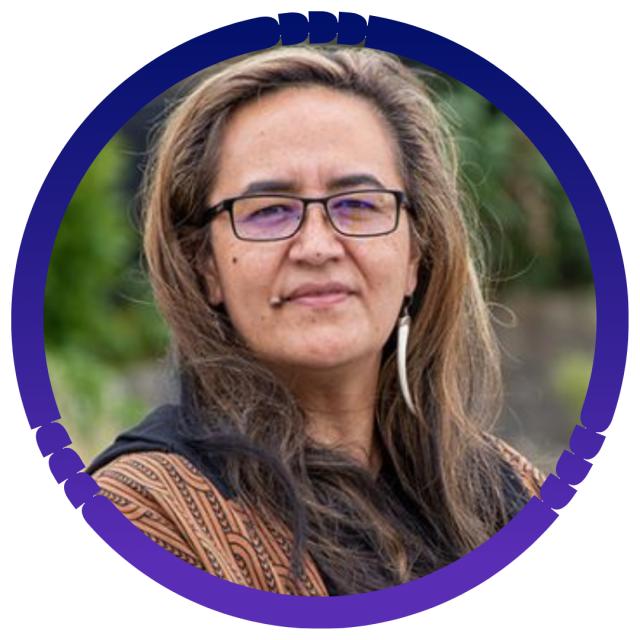
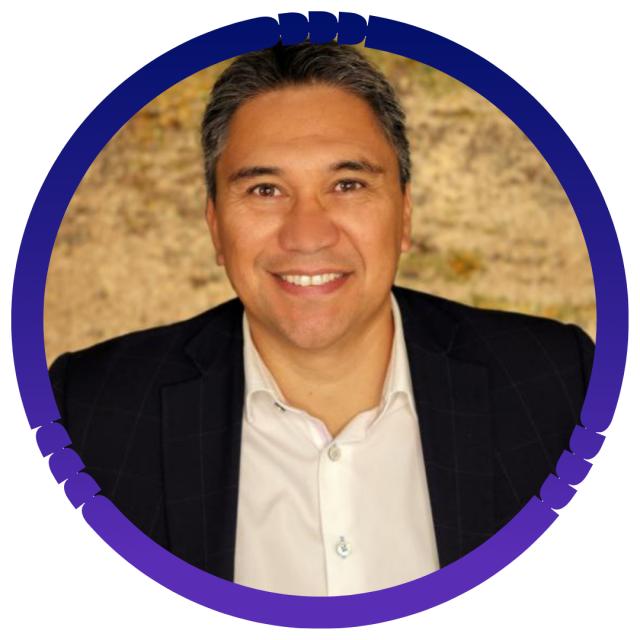
    Kiwa Hammond

    Poutaki

    Te Ahu Rei

    Tokomaru Waka ki Te Tauihu

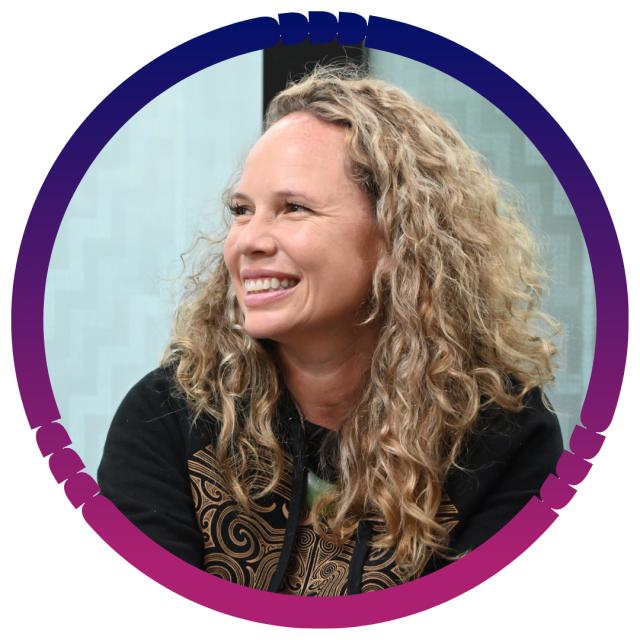
    Paulette Tamati-Elliffe

    Ngāi Tahu

    Nuki Takao

    Tainui Waka

    Christine Harvey

    Moriori

    Apirana Daymond

    Ngāti Mutunga

    Tiana Alesana

    Kurahaupō

    Pou Reo/ Kaiurungi Reo & Kaiāwhina

    Pou Reo and Kaiāwhina are part of the Kāhui and work closely with their Pae Motuhake to provide valuable insights and observations from the ground.

    Karuna Thurlow

    Kaiurungi Reo

    Waitaha, Arahura, Rēkohu

    Henare Te Aika-Puanaki

    Kaiurungi Reo

    Ōtākou-Murihiku, Makaawhio, Wharekauri

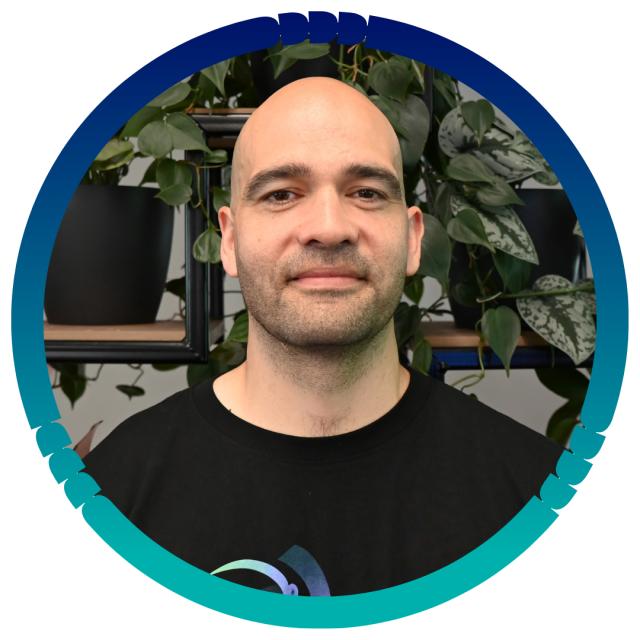
    Barlow Anderson

    Kaiāwhina

    Te Whakaruruhau ki Waikawa

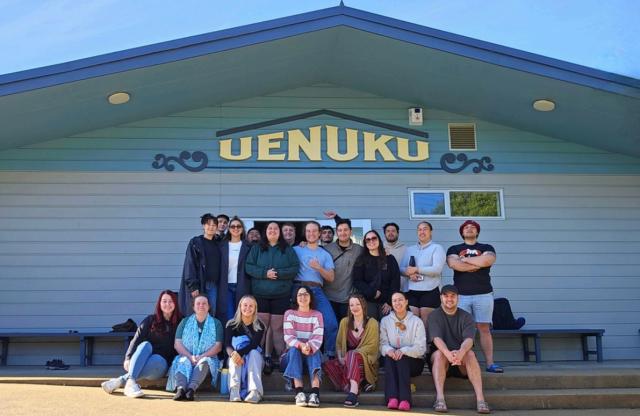
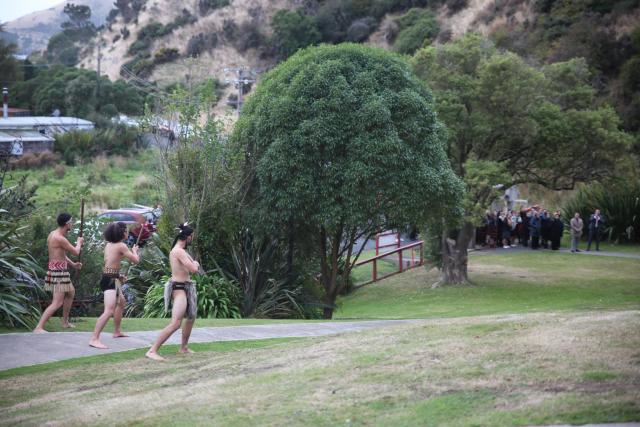
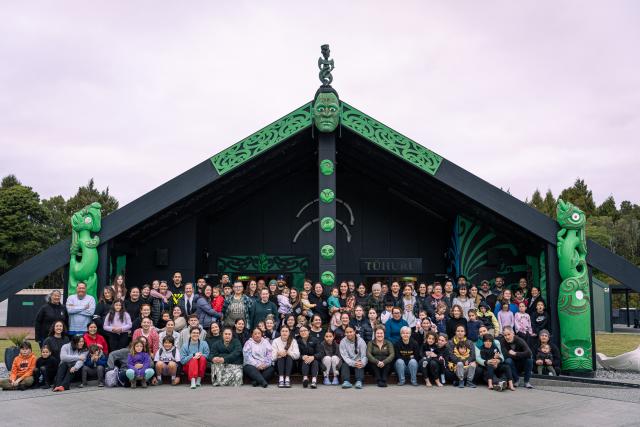
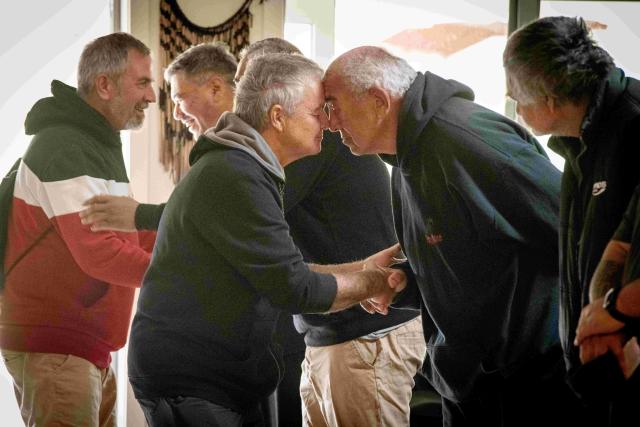
    Te Whakaruruhau connected and reconnected whānau through whakapapa, Te Tauihu iwi living locally and around Aotearoa as well as people who have made Waikawa home.

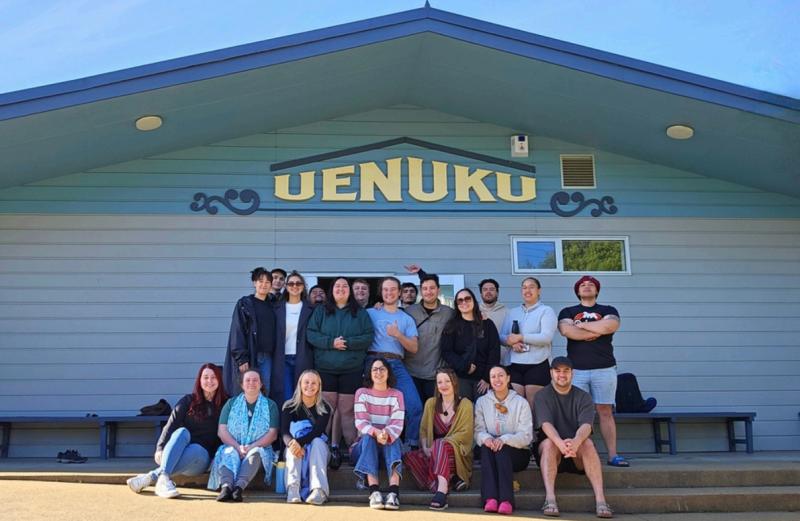
    Ahi Mātao: Many who attend the wānanga come without a strong connection to te reo and tikanga and no connection to Waikawa Marae at all. It was their first visit to this beautiful rohe. For these participants, Te Whakaruruhau became a space for rediscovery and reconnecting with their whakapapa and the kāinga of Waikawa through tukuihotatanga (reo and tikanga). The experience was life-changing and marked the beginning of their reo journey, underscoring the immense success of the hui.

    Ahikā: For whānau that are Waikawa residents, Te Whakaruruhau served as a vital opportunity to strengthen their knowledge of kawa, tikanga, te reo, and to actively carry out practices on the marae. The whānau ahikā are growing in confidence, particularly in executing marae formalities such as karanga, whaikōrero, and karakia. The goal is to further increase the participation of whānau ahikā, as they are the essential kaitiaki of the marae and Waikawa kāinga.

    Hunga Mōhio ki te Reo: These whānau members have a solid foundation in Waikawa reo and tikanga. They serve as positive role models in the effective use and traditional practices which is crucial in supporting new learners. Additionally, they were committed to extending their knowledge of whakapapa and Waikawa history, while improving their own skills and deepening Waikawa and Te Ātiawa connections.

    This multi-faceted approach ensured the kaupapa reached a diverse range of whānau, providing tailored opportunities for each group to grow in confidence and capability.

    Te Whakaruruhau ki Waikawa continues to build on Waikawatanga. The initiative sustains and inspires new kaupapa to further integrate culture and heritage into everyday life.

     

    Te Kai a te Hinaki Koaka Wānaka

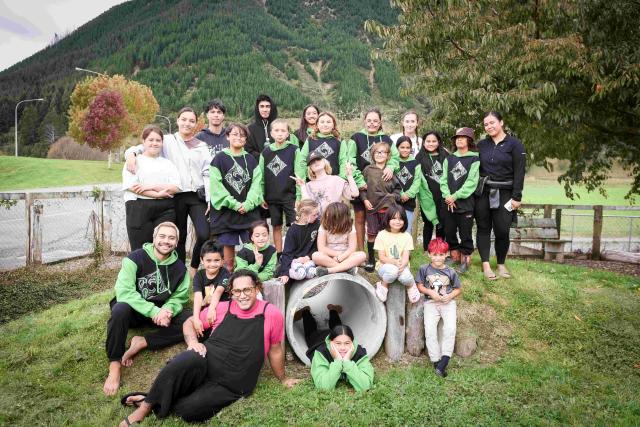
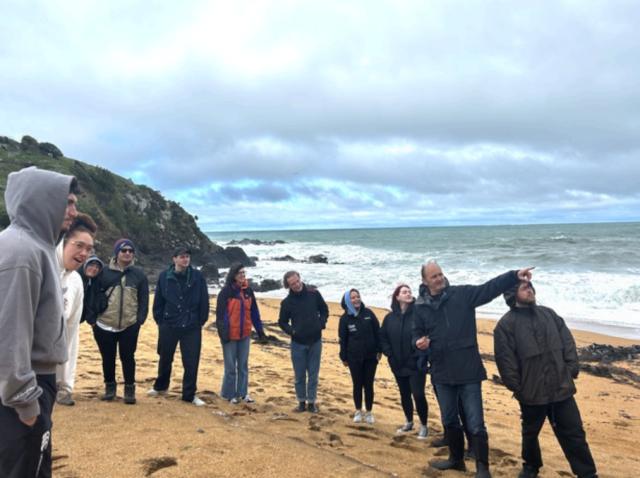
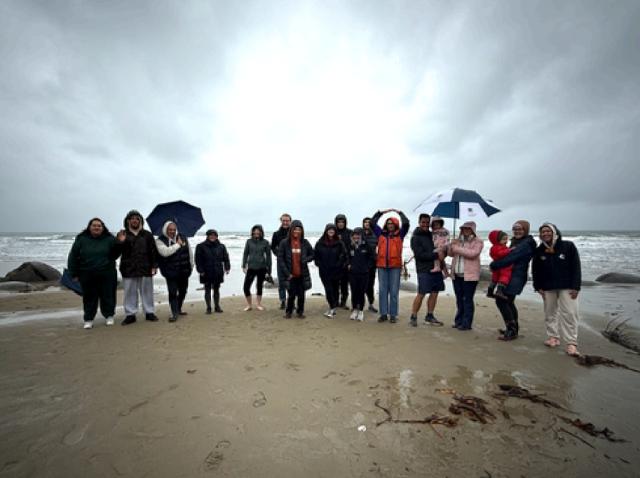
    Te Kai a te Hīnaki Koaka, was a 3-day wānaka at Moeraki Marae aimed to empower rakatahi and pakeke (18–35 years) to return home to learn about and connect with their whenua and reo. For some, it was their first time visiting their marae or creating a language plan.

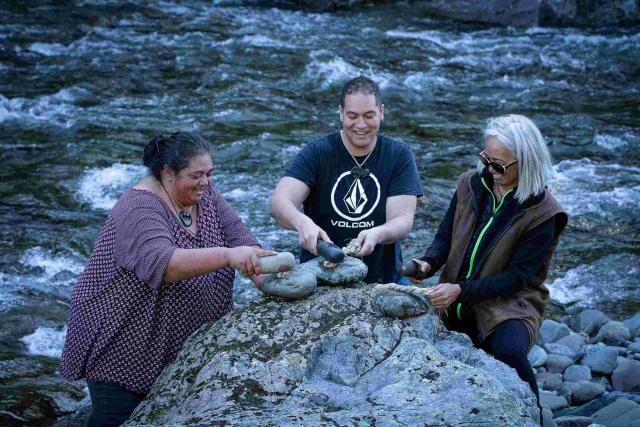
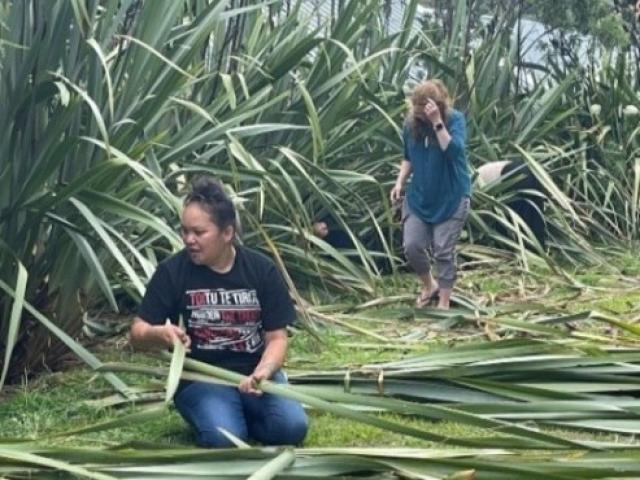
    Kā hua matua had a very packed weekend agenda where whānau spent time increasing their understanding of te reo and building on concepts of pepeha, speaking te mita o Kāi Tahu, Moeraki pepeha, listening and learning hapū pūrakau and stories, lots of rousing waiata, making connections with the whenua visiting significant wāhi on the takiwā, and being hands-on with toi Māori.

    The wānaka and language planning has made whānau more confident in sharing the language and their pepeha, along with participating in language events regardless of their level of language.
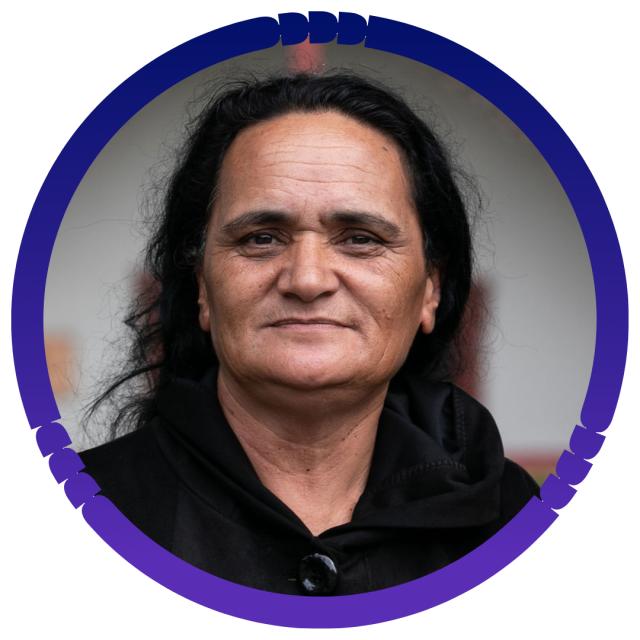
    Te Kai a te Hīnaki has significantly grown its kaupapa, attracting new whānau and rakatahi to Moeraki Marae and to the wānaka rōpū.
    The marae is remote. Getting people back to Moeraki presents issues around travel, logistics and cost which is a barrier however whānau are committed to reclaiming their reo Māori.
     

    Are you one of our Kaitono? Or do you run an amazing kaupapa reo you'd like us to promote? Share with us any event, images, videos or resources. We'd like to connect with you!

    Maximum 5 files.
    100 MB limit.
    Allowed types: pdf text jpg png doc docx rtf zip rar.
    Return to Communities