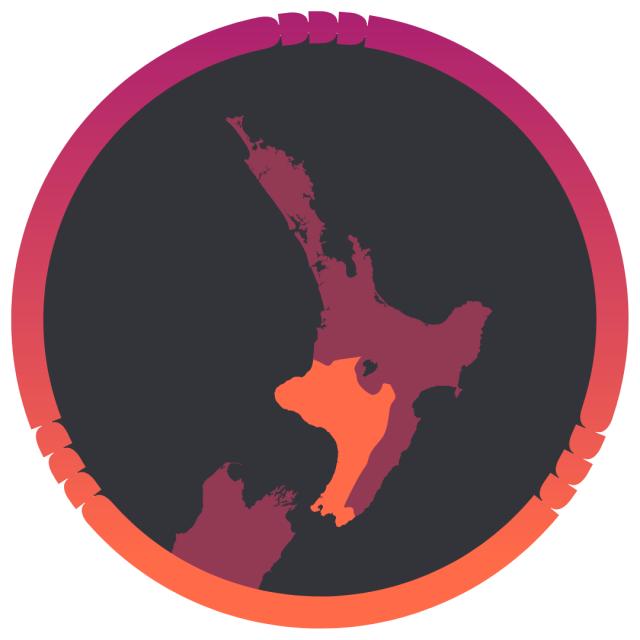
Seeking investment support for your reo revitalisation project? Ensure your project aligns to your Kāhui Investment Plan.

    Te Reo Tukutuku is made up of four clusters of organisations listed in the Māori Language Act 2016. Ten long-standing Māori national bodies represent education, media, community and urban interests. The development of clear criteria for selecting Kaitono has simplified assessments and focused attention on these legacy groups.

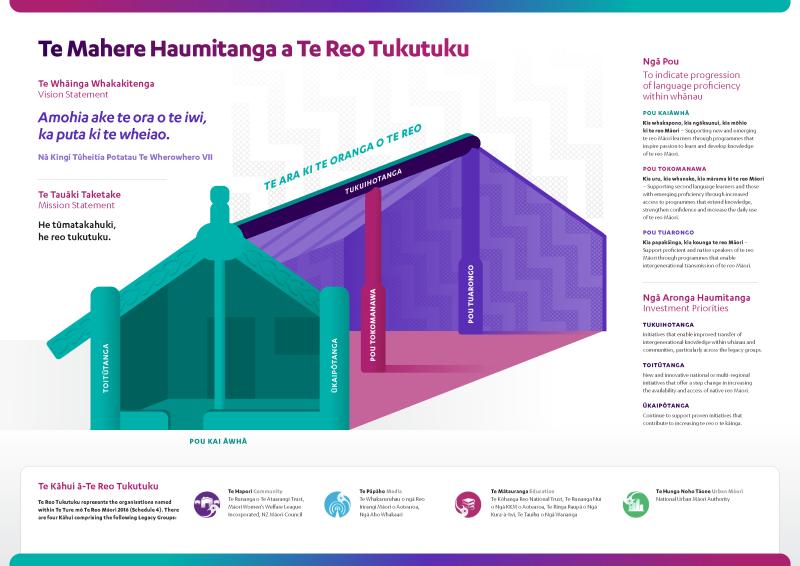
    Te Reo Tukutuku Investment Priorities:

    • Tukuihotanga - initiatives that enable improved transfer of intergenerational knowledge within whānau and communities, particularly across the legacy groups.
    • Toitūtanga - new and innovative national or multi-generational initatives that offer a step change in increasing the availability and access of native reo Māori.
    • Ūkaipōtanga - continue to support proven initiatives that contribute to increasing te reo o te kāinga.

    Te Kāhui o Te Reo Tukutuku

    There are four sector interest areas that make up Te Reo Tukutuku Investment Cluster:

    Te Hapori - Community sector: Te Rūnanga o Te Ataarangi Trust, Māori Women’s Welfare League Incorporated, NZ Māori Council.

    Te Pāpāho - Māori media sector: Te Whakaruru hau o ngā Reo Irirangi Māori o Aotearoa, Ngā Aho Whakaari.  
    Te Mātauranga - Education sector: Te Kōhanga Reo National Trust, Te Rūnanga Nui o Ngā Kura Kaupapa Māori o Aotearoa, Te Ringa Raupa o Ngā Kura-ā-Iwi, Te Tauihu o Ngā Wānanga.  Te Hunga Noho Taone - Urban Māori sector: National Urban Māori Authority. 


    Ngā Pae Motuhake

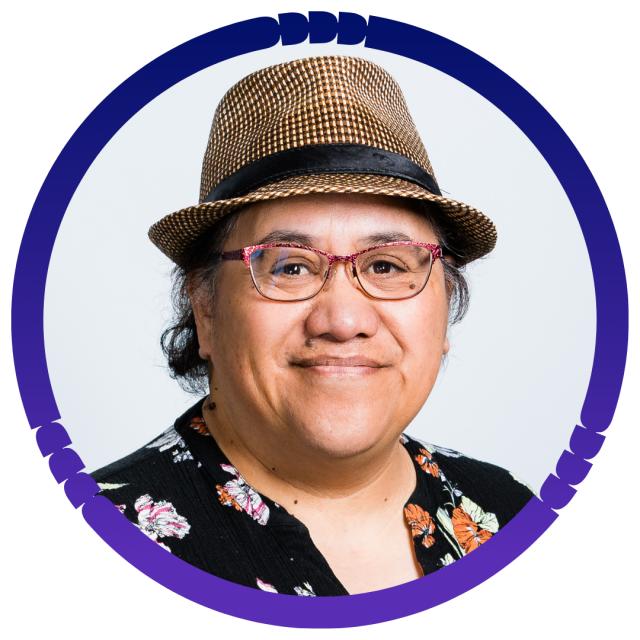
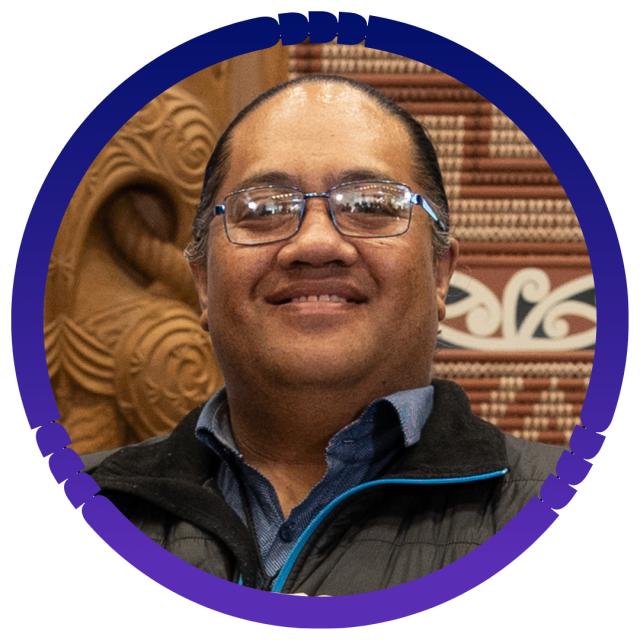
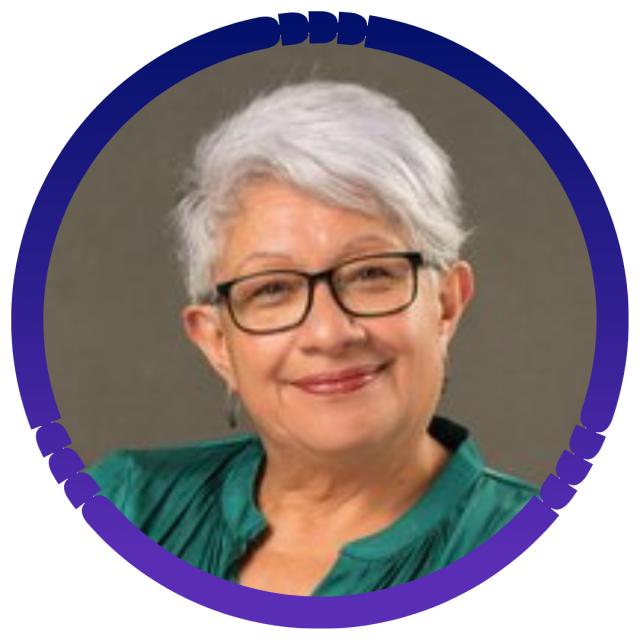
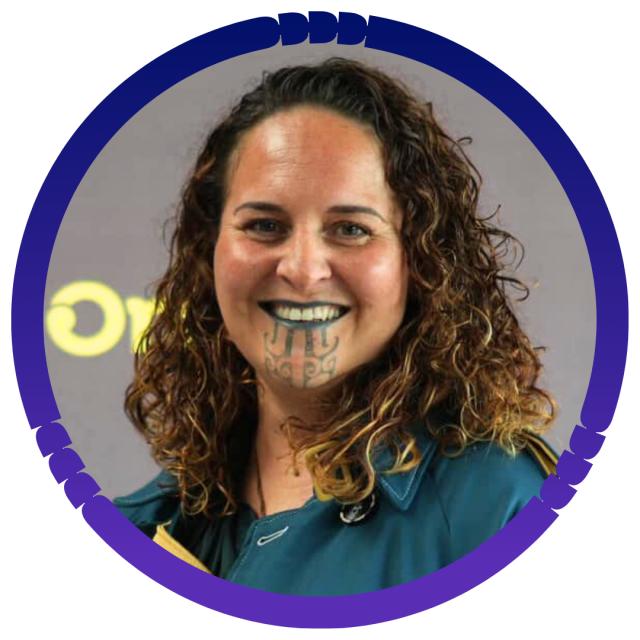
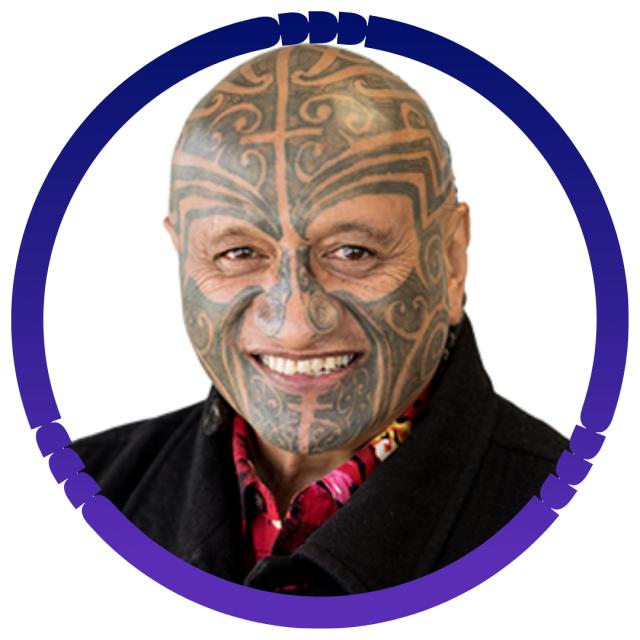
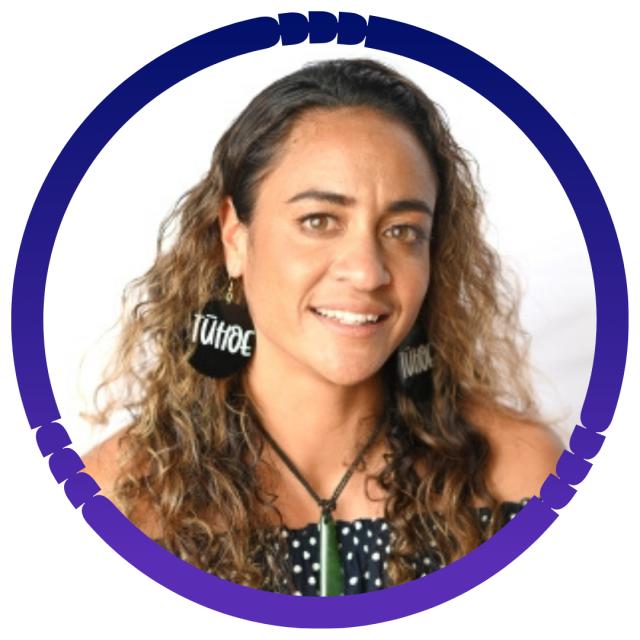
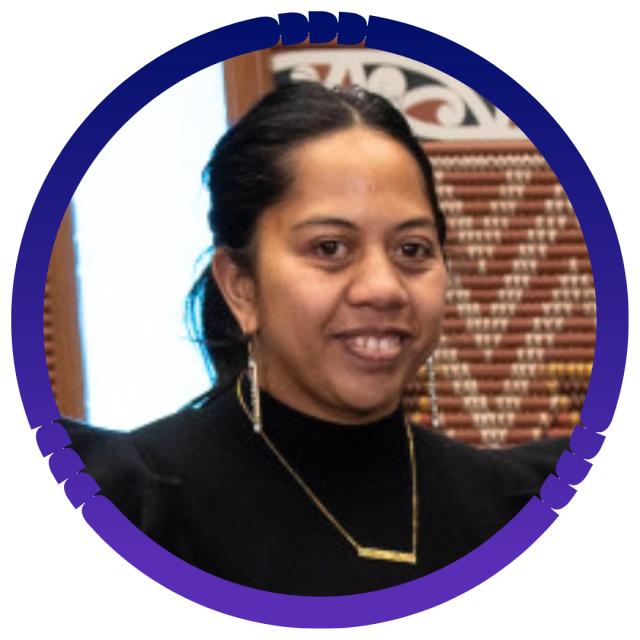
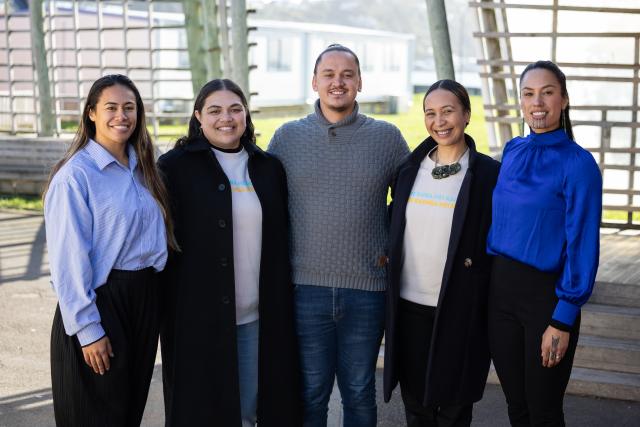
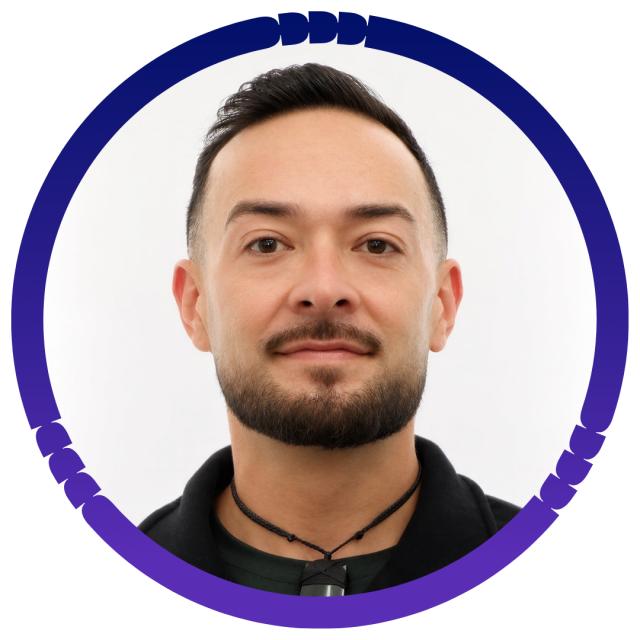
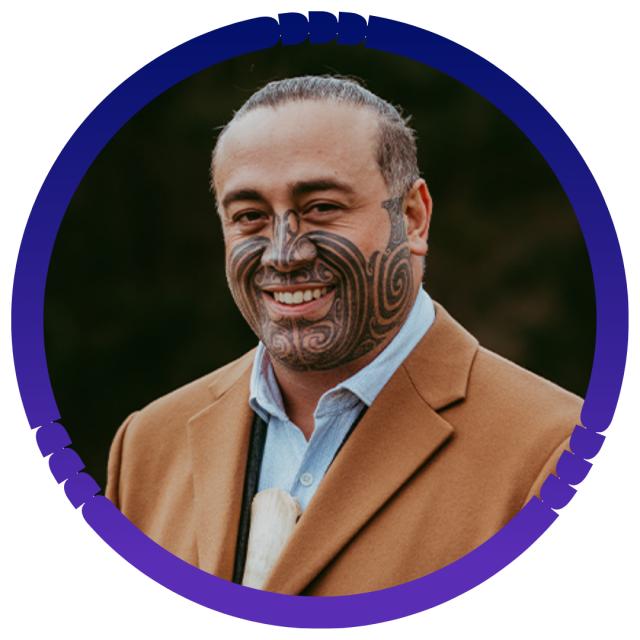
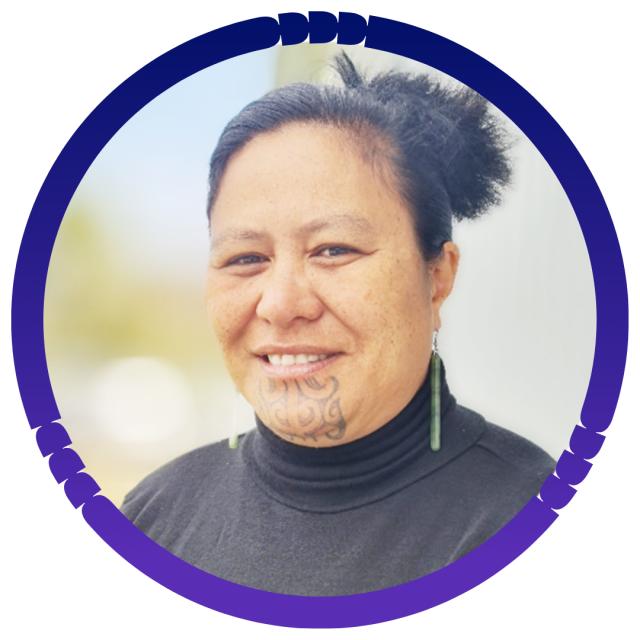
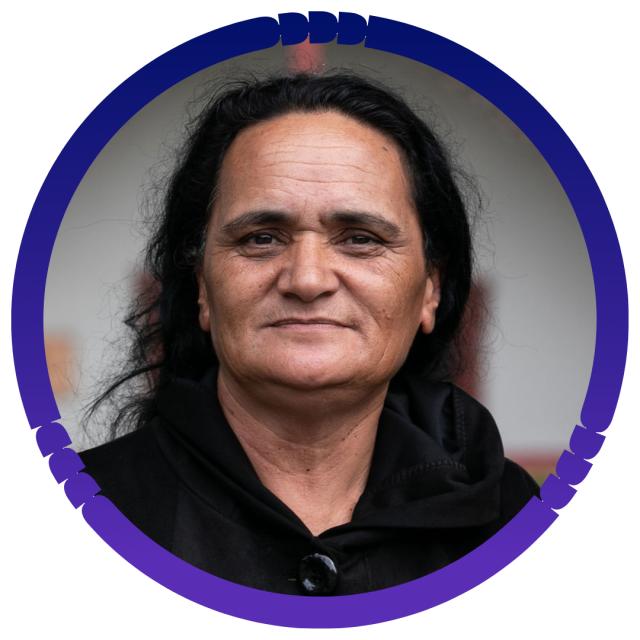
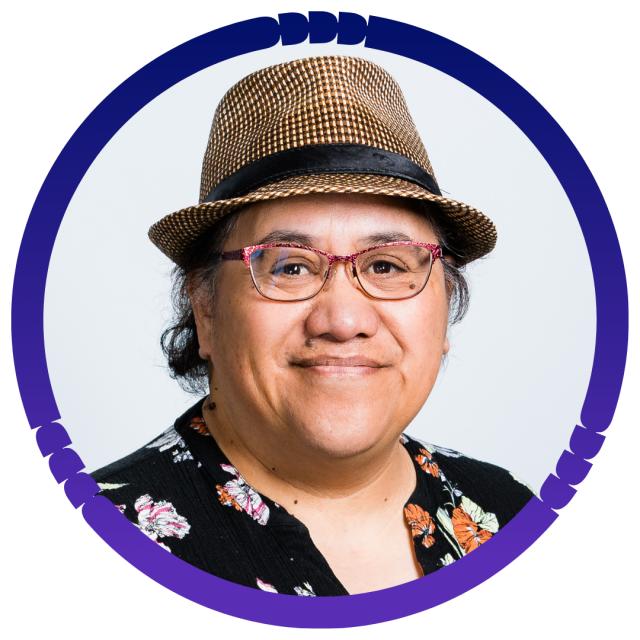
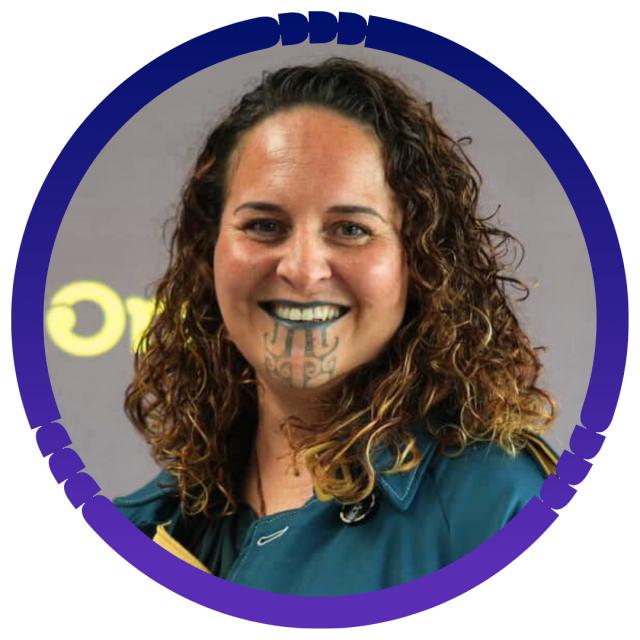
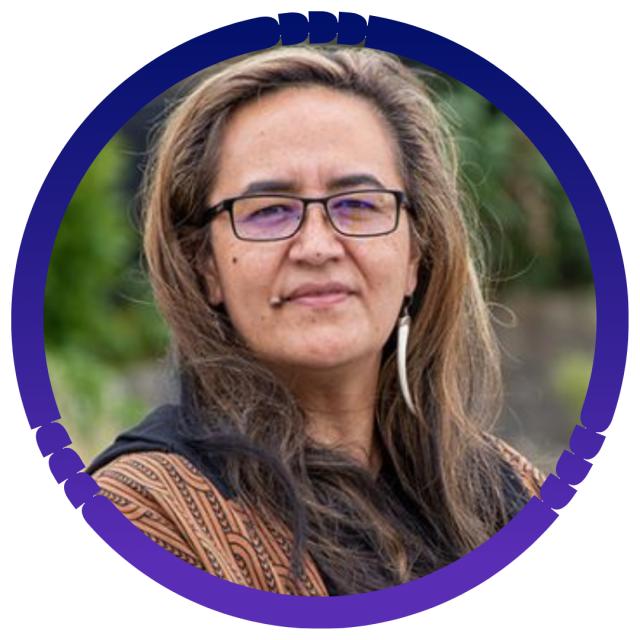
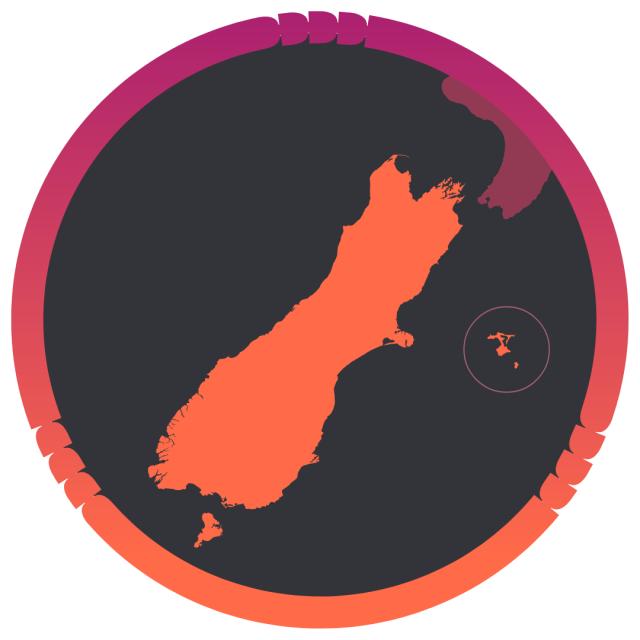
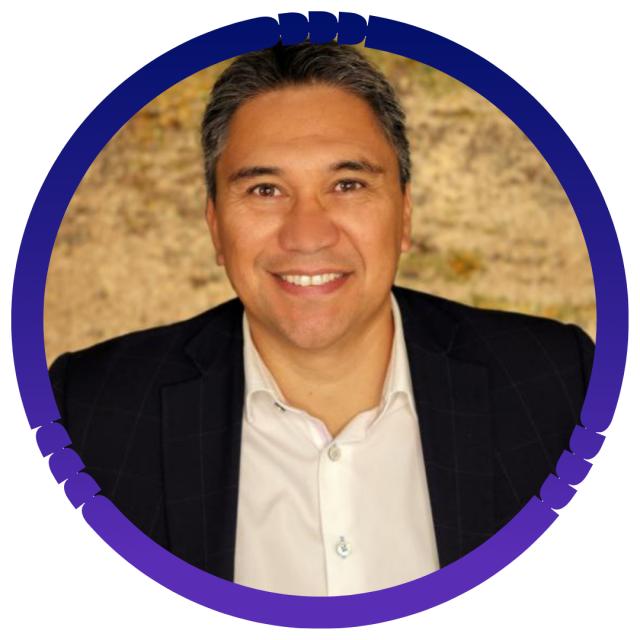
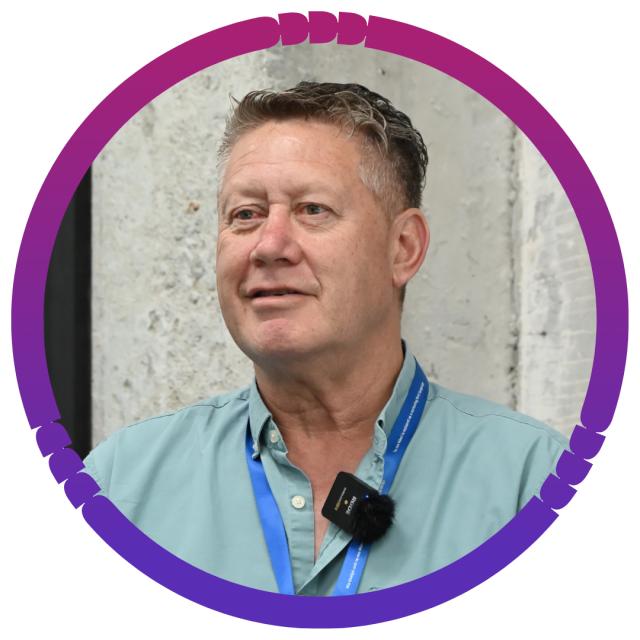
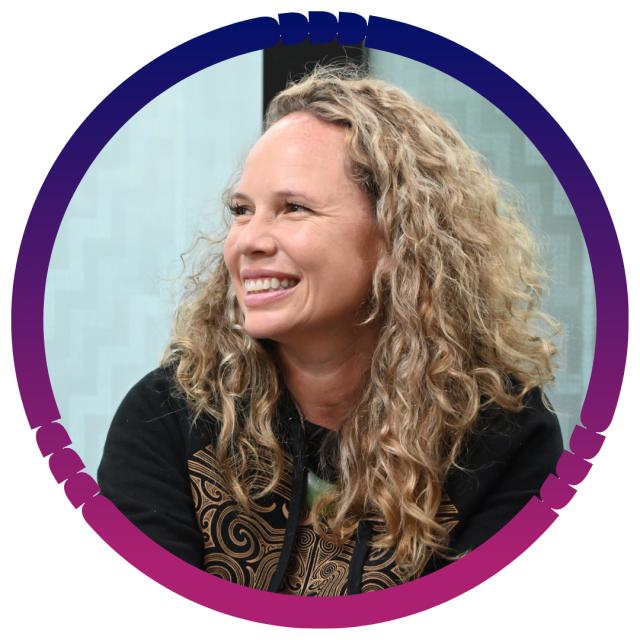
    The eight Pae Motuhake connect the strategies and activities of Te Mātāwai with the needs of kāinga, hapori and iwi in their Kāhui. Here are the Pae Motuhake representatives for your Kāhui:

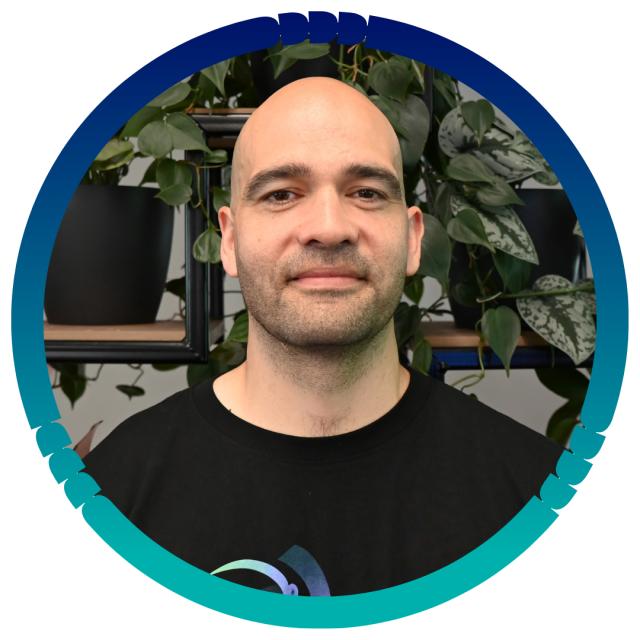
    Brenda Soutar

    Poutaki

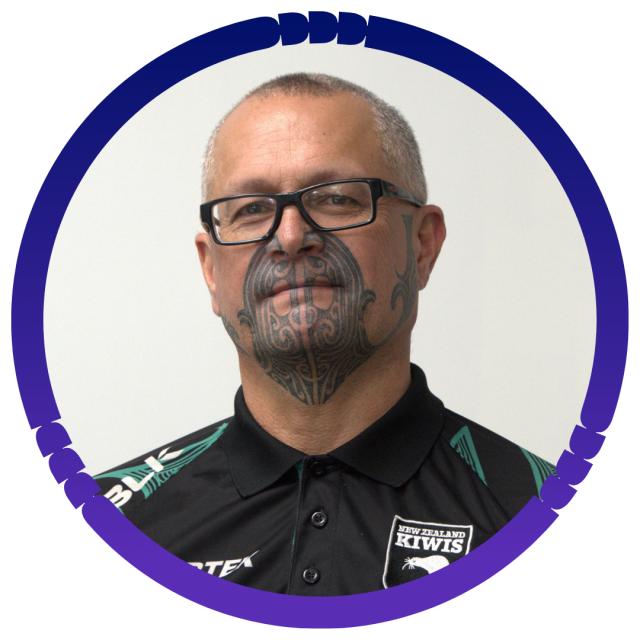
    Tukiterangi Curtis

    Mātauranga

    Teina Boasa-Dean

    Hapori

    Tane Cook

    Hapori

    Erana Reedy

    Pāpāho

    Dr Kiri Tamihere-Waititi

    Hunga Noho Tāone

    Tunuiarangi McLean

    Hunga Noho Tāone

    Dr Te Anga Nathan

    Pāpāho | Te Reo Tukutuku

    Te Aupōuri, Ngāti Porou, Waikato

    Pou Reo/ Kaiurungi Reo & Kaiāwhina

    Pou Reo and Kaiāwhina are part of the Kāhui and work closely with their Pae Motuhake to provide valuable insights and observations from the ground.

    Carel Smith

    Pou Reo

    Te Roopuhina Te Aho

    Kaiāwhina

    Te Kura Reo ki Ngā Mokopuna

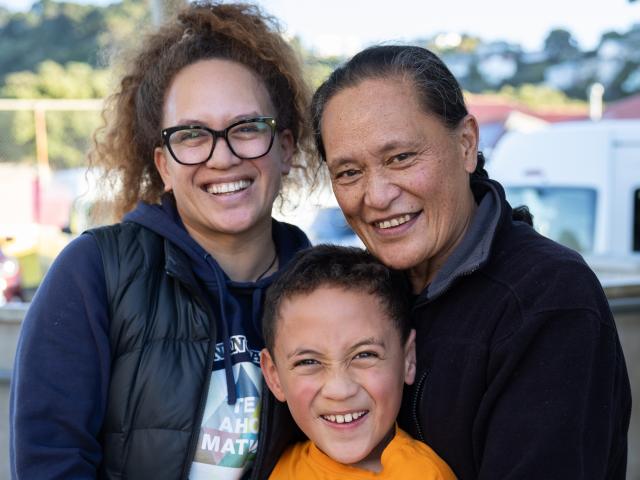
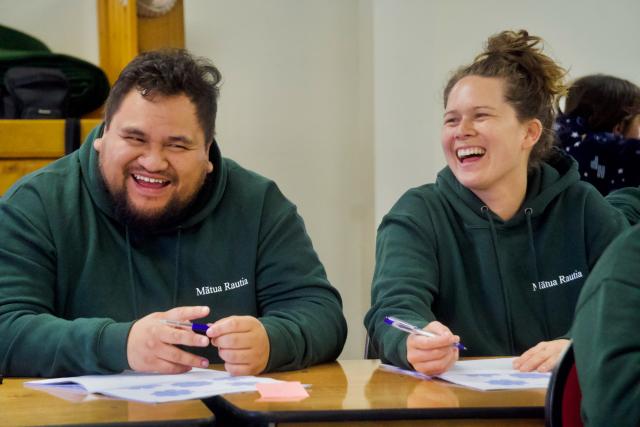
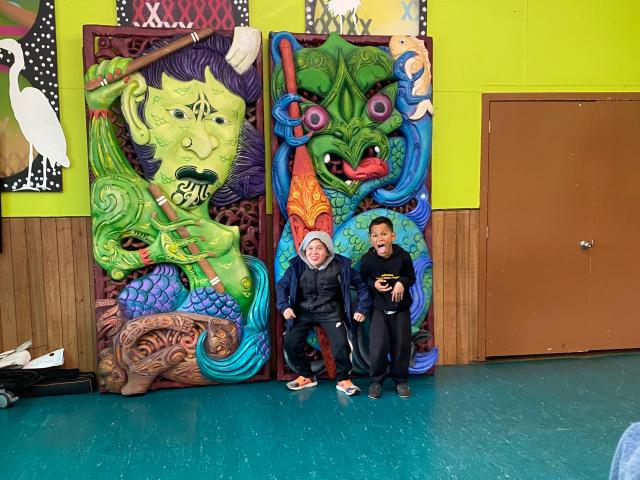
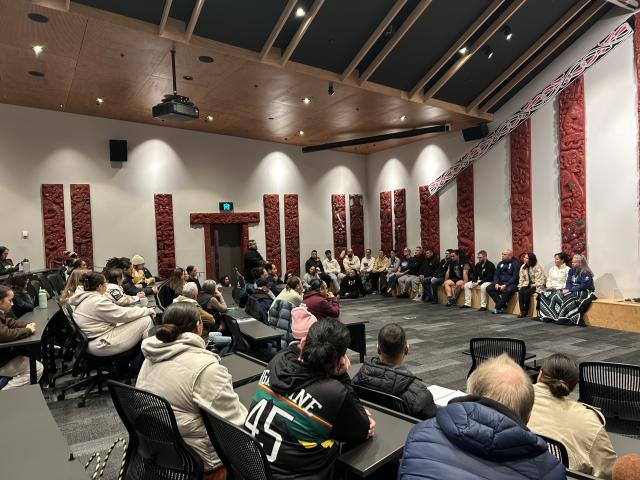
    An impressive 161 whānau (including 50 tamariki) participated at the three-day kura reo weekend wānanga hosted at Te Kura Kaupapa o Ngā Mokopuna in Te Tūranga o Kupe Seatoun in Wellington.

    It was targeted at whānau with students enrolled in the school and based on the Te Aho Matua philosophy – “Ko te kura hei kāinga, ko te kāinga hei kura.”

    In recent years, the percentage of Ngā Mokopuna parents taking some form of Māori language course has increased, however, they have not yet reached the level of proficiency required to ensure that the reo Māori skills of their children attending local pre-schools and language centres are developed. 

    As a result, the idea was born to hold kura reo for those who needed to improve their language skills in a comfortable and easy-to-understand environment to increase confidence, understanding and speaking of te reo Māori.

    The kura reo wānanga has three aims; to increase the number of people passionate about speaking te reo through conversation, waiata and karakia, at sports sidelines, at the supermarket and importantly at the kura gate during pick up and drop off; to increase the amount of te reo used by participants in their work life; and to grow the Māori-speaking hapori of whānau connected through the kura.

    The enthusiasm of participants was evident, reflecting the core purpose of this event: to support parents and caregivers in speaking te reo with their tamariki, and to foster a te reo speaking hapori of whānau connected through the kura.

    Wāhine Patu Mīti

    Te Reo o Te Kāuta – Māori Women, Food Sovereignty and Te Reo Māori: Bush to the Table.

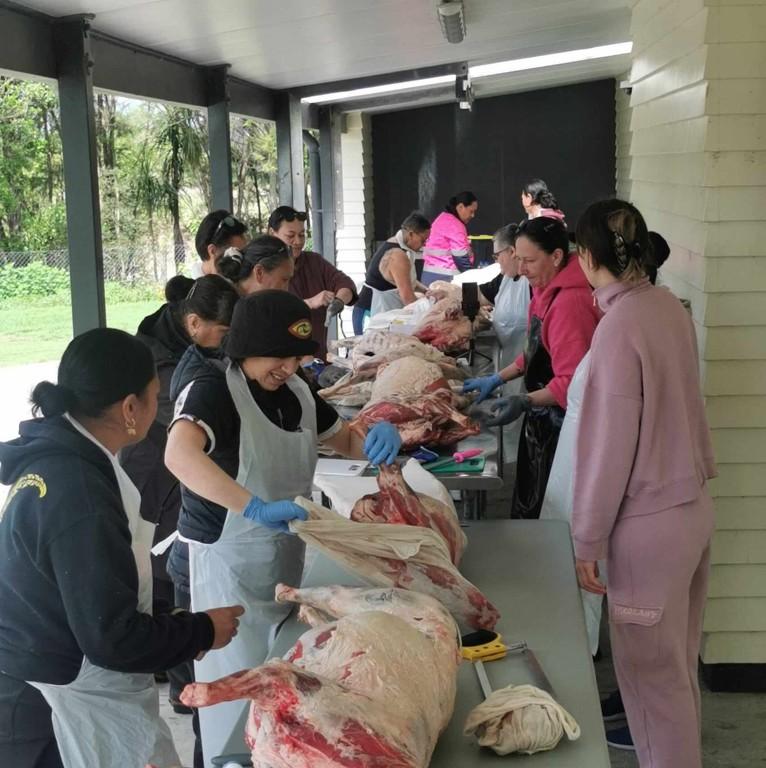
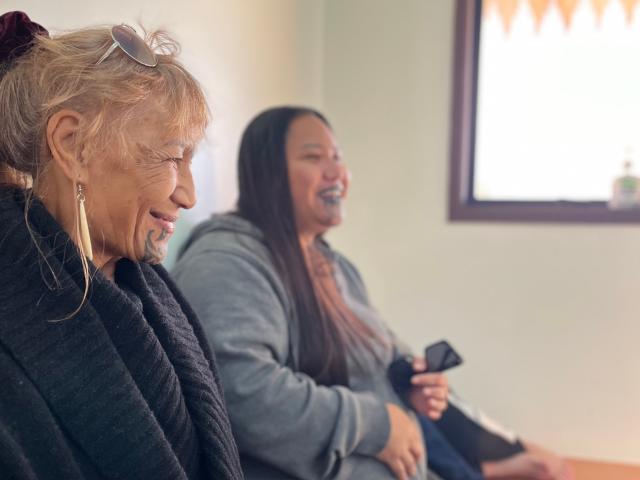
    More than 20 wāhine Māori from three marae in Bay of Plenty and Waikato gathered for the Wāhine Patu Mīti wānanga to learn meat handling and cutting skills in a unique te reo Māori setting over the past year.

    The group consisted of cooks from their respective marae who took the opportunity to learn how to cut various types of animal meat, prepare specific cuts of meat, and find out about safety and sanitation. Workshops were held at three locations: Te Rewarewa Marae in Ruatoki, Ruaihona Marae in Te Teko, and Ōngāroto Marae in Ātiamuri.

    The workshop goals were achieved by involving kaumātua and butchery experts, who demonstrated and supported the less experienced in the meat-cutting process, fostering unity among the generations in a shared learning environment. This hands-on experience strengthened community empowerment and understanding, as participants learned the proper practice of “food sharing” and traditional skills for the first time. Through these activities, many came to recognise the significance of acquiring cultural skills and deepening their connection to the community.

    Wāhine Patu Mīti offered various opportunities for participants to use, learn, and speak te reo by immersing them in a Māori-speaking environment during the workshops. Through hands-on activities like cooking and food preparation, participants had the chance to learn more than 20 new Māori words related to these tasks. They enhanced their language skills within cultural contexts, gaining the ability to listen, engage, and use the Māori language in authentic settings. Additionally, by interacting with other reo Māori speakers at the marae, they were able to support and encourage each other to use the language confidently and naturally.

    Regional dialects relevant to the context of the marae were incorporated, such as the idioms and specific phrases unique to the local iwi and marae. These were used consistently in conversations and were emphasised by the speakers, reinforcing the strong connection between language and local identity.

    The wāhine engaged in education to better understand the language and cultural practices that contribute to their well-being. All have eagerly put forth requests to go on to the training sessions in various parts of the country to learn from other Māori women.


    Are you one of our Kaitono? Or do you run an amazing kaupapa reo you'd like us to promote? Share with us any event, images, videos or resources. We'd like to connect with you!
    Maximum 5 files.
    100 MB limit.
    Allowed types: pdf text jpg png doc docx rtf zip rar.
    Return to Communities